

Boys' Kurtas & Ethnic Wear Wholesale
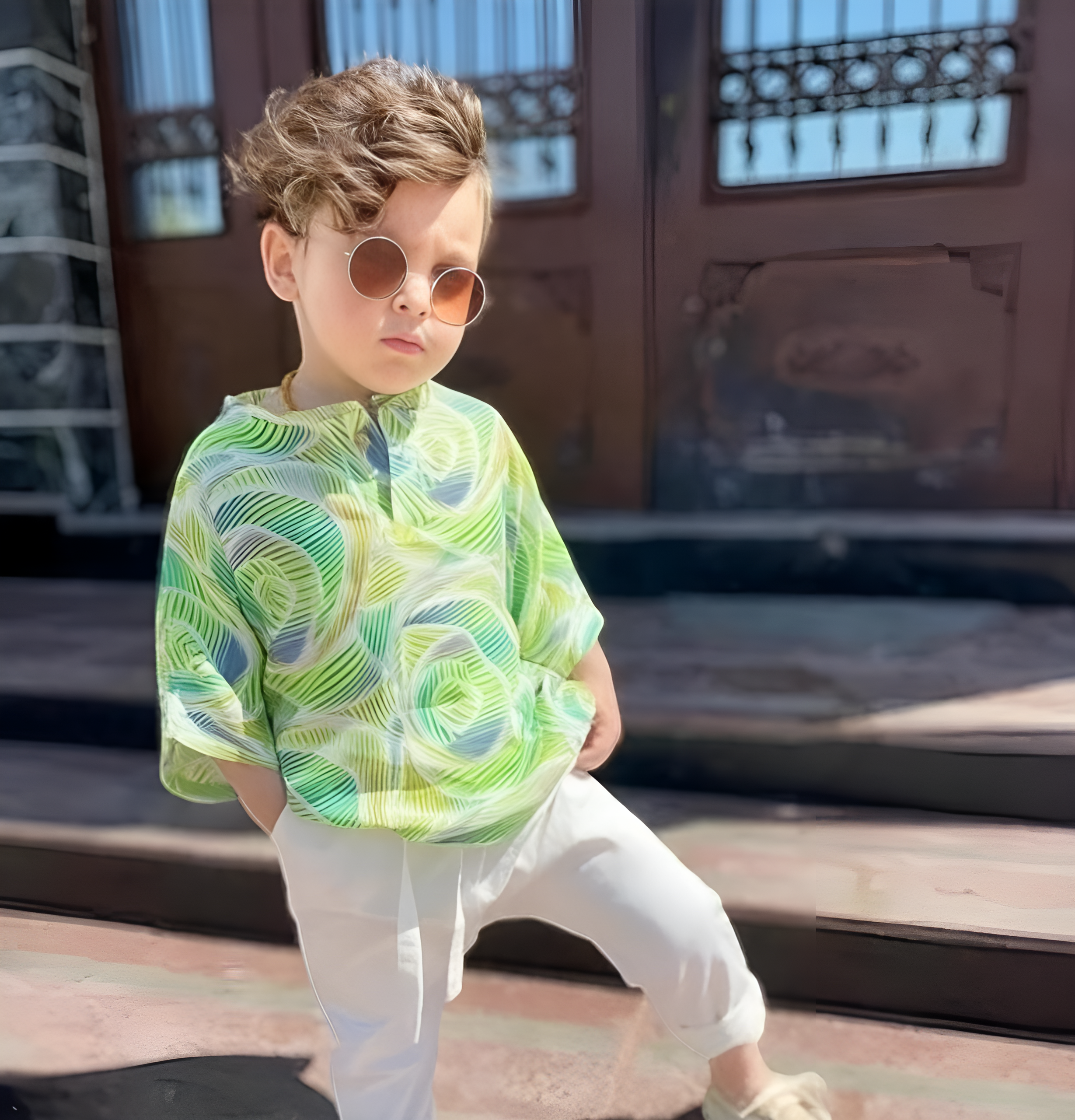
Boys' ethnic wear for Eid, Diwali, weddings and everyday family functions, starting with casual kurtas in soft imported hosiery that children find comfortable through a full day.
Buying ethnic wear wholesale
Boys' ethnic wear sells in sharp seasonal peaks. Demand rises before Eid, Diwali, Navratri and the winter wedding season, and also for school functions such as Independence Day programmes and annual days, where a plain kurta is often part of the dress code.
Comfort decides the purchase for many parents. Boys do not tolerate stiff or scratchy clothing for long, which is why casual kurtas in soft hosiery have found a place alongside heavier festive sets. A green hosiery kurta pairs with a white pyjama or with jeans and can be worn again after the function, which matters to parents who know the child will outgrow it within a year.
Size runs should be broad. Stock across age groups from toddler to early teens, with more pieces in the middle sizes covering ages four to ten, since that is when parents buy ethnic wear most often. Green, along with cream and blue, is a dependable festival colour across regions.
Selling prices on this page run from ₹599.
New to buying wholesale? Read how to buy clothes wholesale for your shop.
Ethnic Wear: questions buyers ask
Which sizes should I stock first in boys' ethnic wear?
Start with the middle age groups, roughly four to ten years, where demand is highest, and keep fewer pieces at the toddler and early-teen ends. Children grow quickly, so parents tend to buy one size up for festivals; a full size run lets them do that without leaving your shop.
Do casual hosiery kurtas sell outside the festive season?
They do, in smaller numbers. Soft hosiery kurtas are comfortable enough for family visits, temple trips and school functions, so they keep moving between festivals. Parents also like that a casual kurta can be paired with jeans, which gives it more wear than a heavy festive set.
When do boys' kurtas sell most in India?
Before Eid and Diwali, through Navratri, and across the winter wedding season from November to February. School events like Independence Day and annual days create smaller spikes. Order a few weeks ahead of each so your stock is on display when families start shopping.